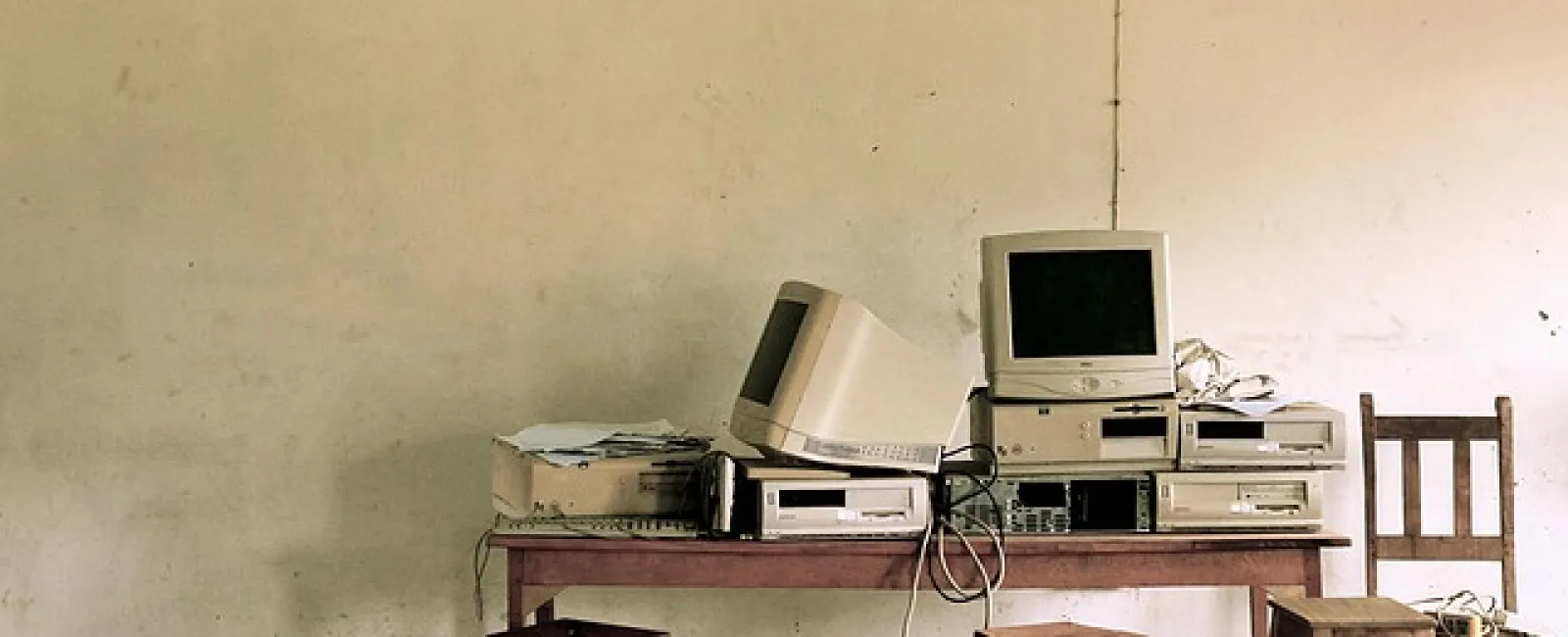
Sticking with outdated technology can feel like the safer financial choice in the short term. The systems are paid off, the team knows how to use them, and an upgrade project sounds expensive and disruptive. But for businesses in Northwest Missouri and Northeast Kansas, the real cost of not upgrading tends to be higher than the cost of making the move. Here's what outdated technology is actually costing you and what a smarter infrastructure looks like.
The Hidden Costs of Running Old Systems
The expenses that come with outdated technology aren't always obvious on a balance sheet, but they add up fast. Businesses running on old infrastructure typically deal with:
- Lost productivity: Older systems run slower, crash more often, and require workarounds that eat into the time your team should be spending on actual work. Those delays compound across every employee, every day.
- Higher maintenance costs: Keeping obsolete hardware and software operational requires more frequent repairs and technical intervention. Older systems also tend to be less energy efficient, which shows up in utility costs over time.
- Compliance exposure: Industries like healthcare and finance operate under regulations that require current, secure systems. Running outdated technology puts you at risk of non-compliance, and the fines that come with it can be significant.
- Security vulnerabilities: Unsupported software doesn't receive security patches. Every day you run it, you're operating with known vulnerabilities that cybercriminals actively exploit. A single breach can cost far more than any upgrade would have.
What Modern Infrastructure Actually Delivers
Upgrading isn't just about eliminating problems. It opens up capabilities that older systems simply can't support. For businesses across Northwest Missouri and Northeast Kansas, the practical advantages of modernizing include:
- Faster, more reliable operations: Current systems process data faster, crash less, and integrate more cleanly with the tools your team already relies on. The day-to-day experience for employees improves noticeably.
- Stronger security out of the box: Modern systems come with current encryption standards, multi-factor authentication support, and active patch cycles. You're starting from a much stronger security baseline rather than trying to bolt protection onto something that was never designed for today's threat landscape.
- Easier compliance management: Up-to-date technology makes it significantly easier to meet industry regulations and produce the reporting those regulations require. For businesses in regulated sectors, that alone can justify the upgrade.
Why an IT Partner Makes the Transition Easier
For most businesses in this region, a technology upgrade isn't something to navigate alone. Working with a managed IT services provider in Northwest Missouri means having a partner who can assess your current setup, identify what actually needs to change, and manage the transition in a way that minimizes disruption to daily operations. That includes handling data migration, training employees on new systems, and providing support through the adjustment period rather than just handing you new technology and walking away.
Every business has a different starting point and different operational needs. A good IT partner builds around those specifics rather than applying a generic solution. For businesses in the Kansas City corridor particularly, local providers bring familiarity with the regional market and the compliance considerations that come with operating here.
The Role of Managed IT Support Going Forward
Getting current is one thing. Staying current is where managed IT support delivers ongoing value. Once your infrastructure is modernized, proactive management keeps it that way:
- Proactive maintenance: Regular updates and system monitoring prevent issues from developing into outages. Most problems get addressed before your team notices them.
- Scalability: As your business grows, your IT infrastructure scales with it. You're not back to square one every time your needs change.
- Round-the-clock monitoring: Continuous oversight means issues get caught and addressed at any hour, not just during business hours when someone happens to notice something is wrong.
The Cost of Waiting
Every month you continue operating on outdated systems is another month of lost productivity, elevated security risk, and maintenance costs that don't contribute anything to your business. The businesses in Northwest Missouri and Northeast Kansas that are pulling ahead aren't doing it by holding onto old infrastructure. They're treating technology as an active investment rather than a sunk cost to protect. If you're not sure where your current setup stands, a conversation with a local IT support provider in the Kansas City area is a practical first step.