
Many companies assume cybersecurity risks begin with anonymous hackers targeting them from far away. In reality, some of the most serious breaches start much closer to home.
Current and former employees, contractors, vendors, partners, and even executives can create major security exposure through intentional abuse or simple oversight. Knowing how insider threats work, what warning signs to watch for, and how to respond quickly can help you avoid a damaging incident.
6 common insider threat types
Insider threats can take many forms, and each one can put your business at risk in a different way:
1. Data theft
Data theft happens when someone inside your organization steals, copies, downloads, or leaks sensitive information for personal benefit or harmful intent. It can also include taking company devices that contain confidential files or moving protected data to unauthorized locations.
2. Sabotage
Sabotage occurs when a frustrated employee, activist, or competitor intentionally harms your organization by deleting files, corrupting systems, infecting devices, or blocking access to important resources.
3. Unauthorized access
Unauthorized access involves viewing or obtaining information a person has no valid business reason to see. Sometimes this is deliberate, but it can also happen when employees access restricted data without understanding the boundaries of their role.
4. Negligence and human error
Not every insider threat is malicious. Careless handling of data, skipped security steps, and preventable mistakes can expose your organization just as quickly as a deliberate attack.
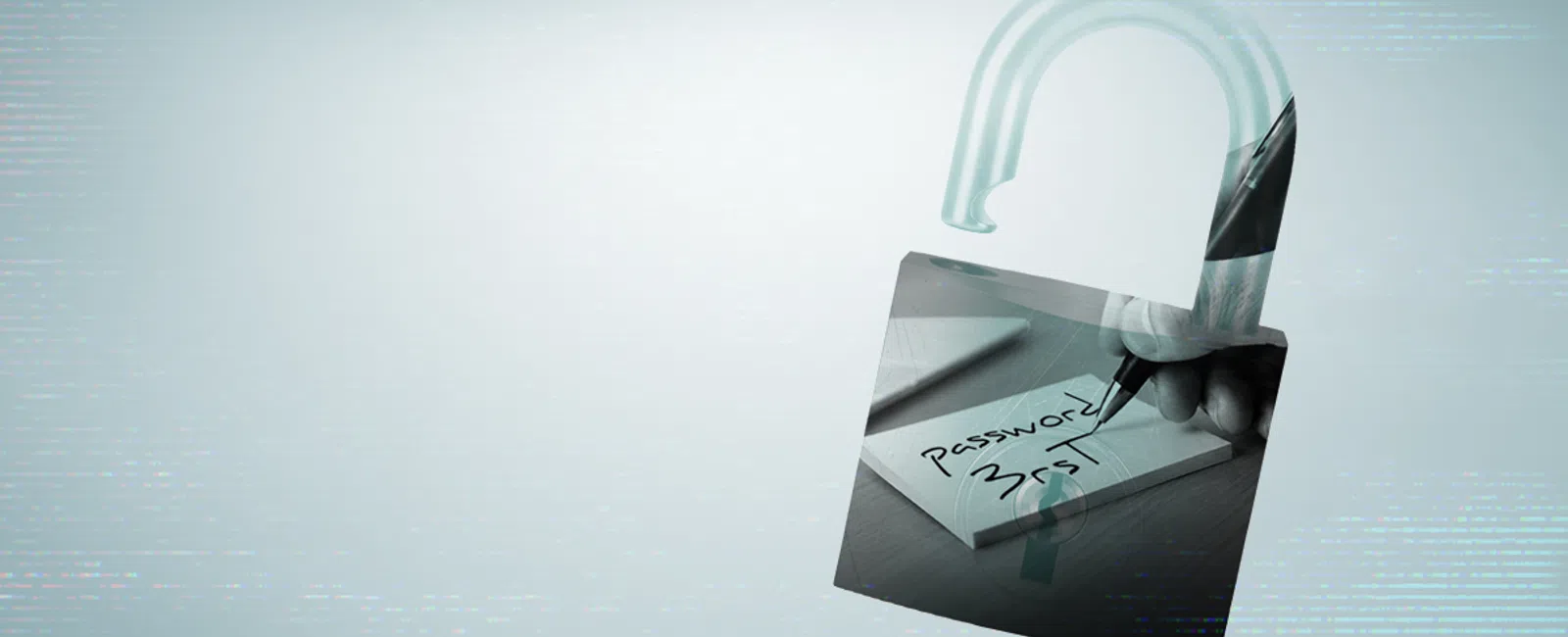
5. Credential sharing
Sharing passwords is like handing someone the spare keys to your office without knowing when—or if—they'll return them. When employees share login details with coworkers, friends, or outside parties, they open the door to unauthorized access and cyber incidents.
6. Unapproved AI usage
Employees may turn to AI tools that have not been reviewed or approved by your business, unintentionally exposing company records, customer information, or other sensitive data.
How to recognize warning signs
Early detection is one of the best ways to reduce insider threat damage. Make sure your team knows how to identify these common red flags:
- Unusual access behavior: An employee starts viewing confidential information that has nothing to do with their normal responsibilities.
- Large data movement: A team member begins downloading unusually large amounts of customer or company data, or transferring it to external storage.
- Repeated access requests: Someone keeps asking for access to sensitive systems or records even though their role does not require it.
- Personal device use: Employees access protected business data using personal laptops, phones, or other unauthorized devices.
- Security tool tampering: An individual disables antivirus software, firewall settings, or other protective controls.
- Use of unapproved AI platforms: Workers start entering or sharing sensitive data in public AI tools that have not been vetted by your organization.
- Behavior changes: An employee becomes withdrawn, highly secretive, stressed, or begins missing deadlines without explanation.
One signal alone does not prove malicious activity, but unusual patterns deserve attention. The sooner you notice them, the faster you can act.
Strengthen protection from the inside
Use these five steps to build a stronger cybersecurity program and reduce your risk from within:
- Create a clear password policy and require multi-factor authentication (MFA) whenever possible.
- Limit access so employees can only reach the systems and information they need for their jobs, and review permissions regularly.
- Train your team on insider threat awareness, security best practices, and approved AI usage.
- Back up critical data on a consistent schedule so you can recover faster after a security incident or data loss.
- Build a detailed incident response plan that explains how your business will handle insider threats and sets rules for AI use and sensitive data handling.
Get help before risk grows
Managing insider threats on your own can be stressful and time-consuming, especially when your business is already stretched thin.
That's where the right IT partner makes a difference. We help businesses put the right security controls, monitoring tools, and response plans in place so they can protect data from the inside out. Whether you need to start fresh or improve your current setup, our team is ready to help.
Ready to take the next step? Click here or give us a call at 816-238-3777 to schedule your free 15-Minute Discovery Call.